
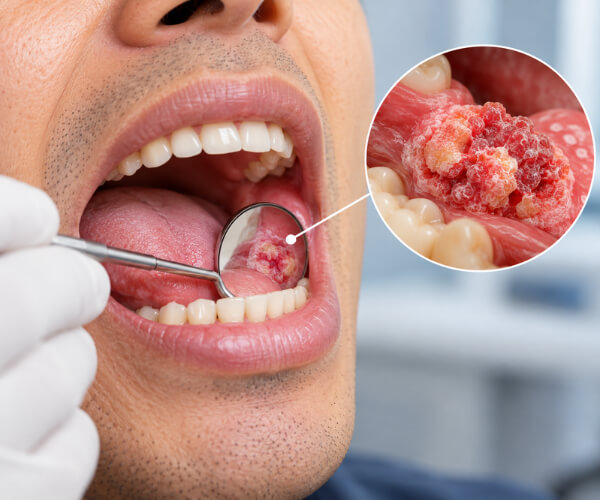
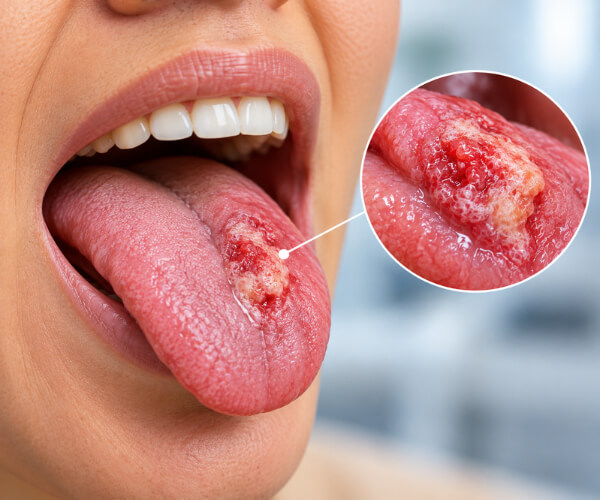
Overview
Head and neck cancers can affect the oral cavity, throat, larynx, salivary glands, and surrounding structures. Robotic-assisted surgery enables surgeons to access difficult anatomical areas with greater precision while preserving important nerves, muscles, and surrounding tissues.
Personalized Treatment
Every patient is unique. We develop individualized care plans based on your condition, goals, and preferences.
01
Advanced Diagnostics
Access to cutting-edge imaging, laboratory, and diagnostic tools ensures accurate assessments.
02
Ongoing Monitoring
We offer follow-up care, education, and guidance to help you maintain your health over time.
01
Advanced Diagnostics
Access to cutting-edge imaging, laboratory, and diagnostic tools ensures accurate assessments.
02
Conditions Treated
Oral cavity cancers
Tongue cancers
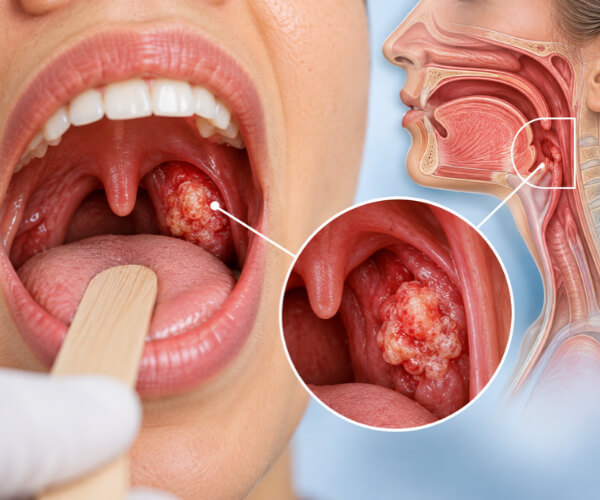
Oropharyngeal cancers
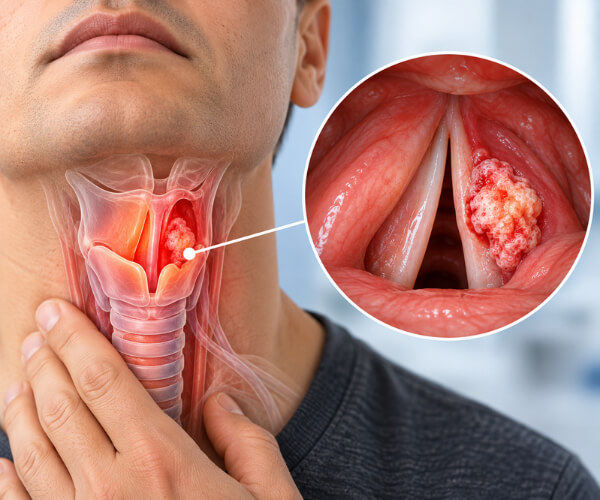
Laryngeal Cancer
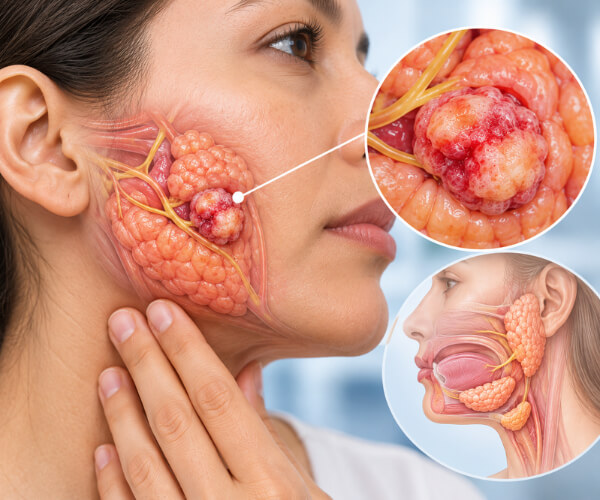
Salivary gland tumors
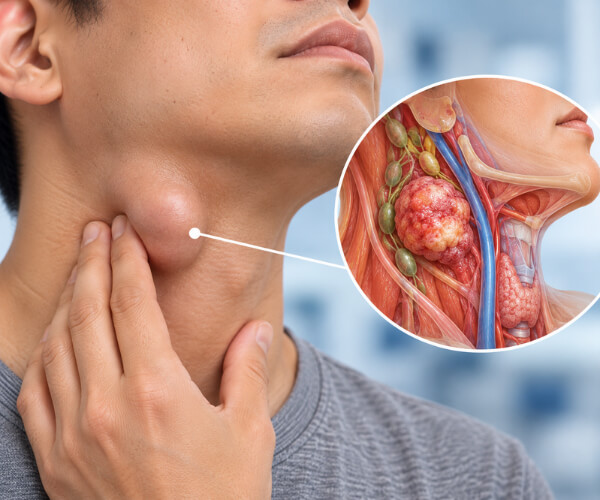
Neck tumors

Robotic Procedures
Transoral Robotic Surgery (TORS)
01
Tumor Resection
02
Neck Dissection
03
Salivary Gland Surgery
04
Benefits
- Greater precision
- Organ preservation
- Reduced surgical trauma
- Faster recovery
- Improved functional outcomes
Why Choose Us
Our experienced head and neck oncology team uses advanced robotic technology to deliver comprehensive cancer care with a focus on functional preservation and quality of life.
Frequently Asked Questions
What cancers are treated with head and neck surgery?
Head and neck surgery is commonly used to treat cancers of the mouth, tongue, throat, larynx, salivary glands, and neck.
What is Transoral Robotic Surgery (TORS)?
TORS is a minimally invasive robotic procedure that allows surgeons to remove tumors through the mouth without external incisions.
Will surgery affect my speech or swallowing?
The impact depends on the tumor location and extent of surgery. Robotic techniques aim to preserve important functions whenever possible.
How long is the recovery period?
Recovery varies by procedure, but many patients experience shorter hospital stays with minimally invasive approaches.
Is robotic surgery suitable for all head and neck cancers?
Not all cancers are suitable for robotic surgery. Your surgeon will determine the best treatment approach based on your condition.
Cardiology
Dental Care
Physical Therapy
Psychiatry
Oncology
Pediatrics
Ophthalmology
Orthopedics
Dermatology
General Surgery
Cardiology
Dental Care
Physical Therapy
Psychiatry
Oncology
Pediatrics
Ophthalmology
Orthopedics
Dermatology
General Surgery