
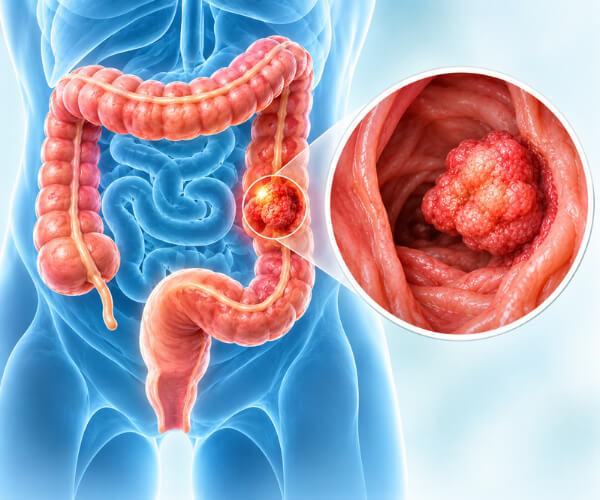
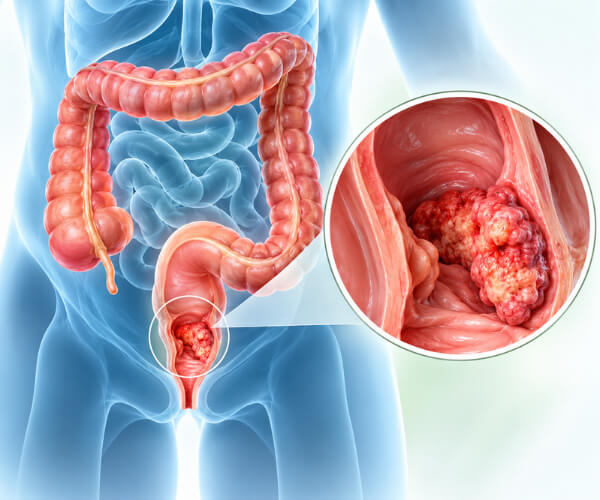
Overview
Colorectal cancer affects the colon and rectum and often requires surgery as a primary treatment. Robotic-assisted colorectal surgery enables surgeons to perform complex procedures with enhanced precision, particularly in confined pelvic spaces.
Personalized Treatment
Every patient is unique. We develop individualized care plans based on your condition, goals, and preferences.
01
Advanced Diagnostics
Access to cutting-edge imaging, laboratory, and diagnostic tools ensures accurate assessments.
02
Ongoing Monitoring
We offer follow-up care, education, and guidance to help you maintain your health over time.
01
Advanced Diagnostics
Access to cutting-edge imaging, laboratory, and diagnostic tools ensures accurate assessments.
02
Conditions Treated
Colon Cancer
Rectal Cancer
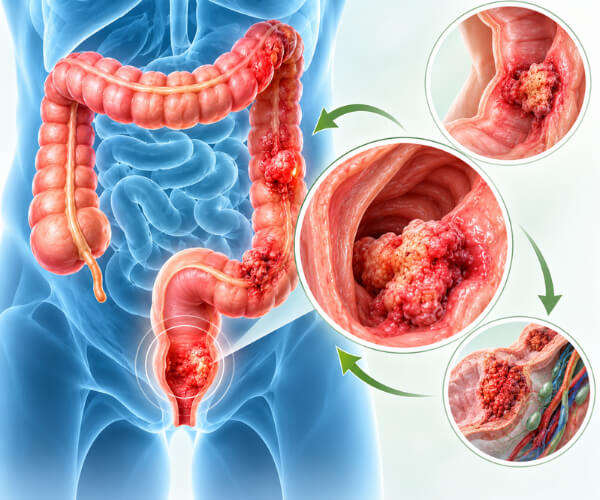
Recurrent Colorectal Cancer
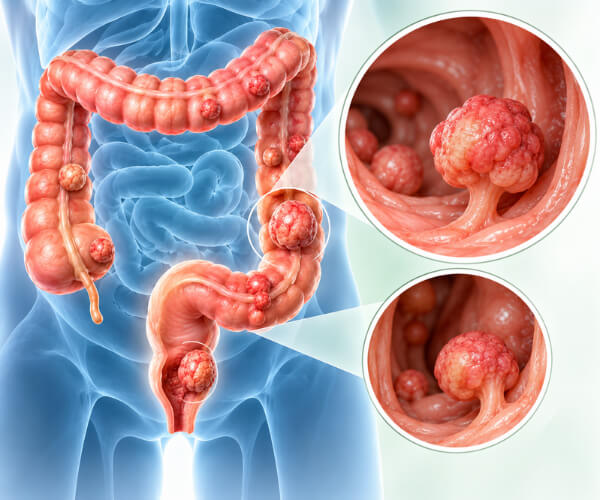
Large Polyps

Hereditary Colorectal Syndromes

Robotic Procedures
Robotic Colectomy
01
Robotic Low Anterior Resection
02
Robotic Abdominoperineal Resection
03
Robotic Rectal Cancer Surgery
04
Benefits
- Precise tumor removal
- Smaller incisions
- Reduced blood loss
- Lower post-operative pain
- Faster return to normal activities
Why Choose Us
Our colorectal cancer specialists deliver comprehensive care using advanced robotic technology and evidence-based treatment protocols.
Frequently Asked Questions
What is colorectal cancer surgery?
It involves the removal of cancerous tissue from the colon or rectum as part of cancer treatment.
Can colorectal cancer be treated with robotic surgery?
Yes, many colorectal cancer procedures can be performed using robotic-assisted techniques.
Will I need a colostomy bag?
Not all patients require a colostomy. The need depends on the tumor location and surgical procedure.
. How long is hospitalization after surgery?
Hospital stays generally range from a few days to a week, depending on the complexity of the surgery.
What are the benefits of robotic colorectal surgery?
Benefits may include smaller incisions, reduced pain, quicker recovery, and greater surgical precision.
Cardiology
Dental Care
Physical Therapy
Psychiatry
Oncology
Pediatrics
Ophthalmology
Orthopedics
Dermatology
General Surgery
Cardiology
Dental Care
Physical Therapy
Psychiatry
Oncology
Pediatrics
Ophthalmology
Orthopedics
Dermatology
General Surgery